Once Upon A Time In Hollywood

When you’re watching a Tarantino film, there’s no doubt that you’re definitely watching a Tarantino film and “Once Upon A Time In Hollywood” is no exception. The majority of this film is unequivocally genius, hilarious, suspenseful and gratifyingly violent like only Tarantino can deliver, but there are also stretches which are paced terribly, unreasonably long (there is absolutely no freaking reason for this film to be two hours and forty minutes) and somehow missing that sleek finish which made such films as “Reservoir Dogs” and “Pulp Fiction” such masterpieces.

I’ll be getting into spoilers from here so if you’re planning on seeing it but haven’t yet maybe ease up for now. “Hollywood” is a revisionist account of the notorious Manson family murders of actress Sharon Tate and four others in 1969, and like “Inglorious Basterds”, provides a sense of retribution and catharsis for a heinous crime which shook an era.

The film follows the fictional lives of Hollywood leading man Rick Dalton (Leo DiCaprio) and his stunt man/ best buddy Cliff Booth (Brad Pitt) in the months leading up to the infamous day. Dalton is becoming disenchanted with the cutthroat nature of Hollywood while Booth cruises around doing odd jobs for Dalton and hoping for stunt work (which is proving increasingly difficult since he allegedly murdered his wife).

Parallel to this story is that of Sharon Tate (Margot Robbie), the beautiful, sweet and wholesome actress who (in this universe) lives next door to Rick Dalton. Due to a series of lucky coincidences, the Manson family psychos arrive at Dalton’s house instead of Tate’s, and in true Tarantino style, Cliff and his pit bull brutally beat up and kill two of the intruders while Dalton roasts the third with his blow torch.

It’s undeniable that Tarantino is an expert at his craft; the dialogue is slick; the cinematography is superb and the performances are proper movie star performances. The chemistry between DiCaprio and Pitt in particular is unreal, and I hope they team up again because they work perfectly together on film.

As a film overall though, it just didn’t quite work for me.

What Tarantino does beautifully is create multiple narratives and tie them all in seamlessly at the end, most notably so in “Pulp Fiction”. He’s tried to do the same thing here, but it just seemed very clumsy to me. It was underwhelming that the main reason for the Manson weirdos not killing Sharon Tate was that they got the wrong house. The two stories themselves (let’s say Dalton/ Old Hollywood and Sharon Tate/ The Manson Family/ Cliff) are connected by only very flimsy threads and I can remember thinking that there were episodes of Seinfeld that work the multiple story angle with more finesse.

The story of Dalton is more or less Tarantino’s omage to the golden era of Hollywood, and the set pieces are sensational. These scenes are dripping in nostalgia, and it is fun being immersed in this world. But after a scene of Dalton performing in one of his television cameos that went for something like 12 minutes when the same impact could have been achieved in 5 minutes, and a bizarre and unnecessary rapport with a little girl co-star, I began to think that Tarantino was starting to lay it on a little thick.

One aspect which I actually thought was quite clever though was the portrayal of Sharon Tate. Tate’s murder was considered by many to be the symbolic end of the 1960s; she represented beauty, kindness, free love and youth. It would be easy to criticise the lack of complexity or development in this character, but I think that this was done very deliberately; Robbie portrays the image of Tate that society knew and remembered, and in this fairy tale, she lives on and so too does the spirit of the 1960s while her would be murderers are brutally and gratifyingly ripped apart. That’s one of the reasons why the final twenty minutes of the film are so much fun, (Dalton walking out of his garage with that flame thrower was one of the most badass things I’ve ever seen) and the collective glee of the audience in my cinema was palpable as the Manson murderers are served their grizzly justice.

There’s a great film somewhere in here, but it’s been almost suffocated by the excess of too much of a good thing.

My favourite dessert is lemon delicious, but there’s a point where it becomes too rich, too lemony and too damn much. For me, “Hollywood” was just too much Tarantino, and had this film been 2 hours instead of almost 3, I think I would have left the cinema wanting more, rather than trying to understand why the latest film of one of my favourite directors left me feeling disappointed.

By Jock Lehman

Palm Beach

Screen Shot 2019-08-13 at 19.01.42

image-8

Rachel Ward’s “Palm Beach” is the kind of film which is instantly and effortlessly infectious because you can tell the people involved are having a great time. It’s easy to buy the chemistry between the actors here because it genuinely does look like they’re having a ripper weekend surrounded by lashings of booze, decadent food against a stunning backdrop and the camera’s just been whacked on for fun. Doesn’t hurt that this thing is so pumped full of golden oldies that you’d be forgiven in thinking that Smooth FM had been in charge of the soundtrack.

This is a very safe movie with a very deliberate appeal and targeted audience. My girlfriend and I were the youngest people in the cinema by a good twenty years and I have to admit that a lot of the jokes went right over my head, but there is a definite charm about the whole thing. The showcasing of Australian talent here is undeniable, and that’s one of the definite selling points of the film, but unfortunately all the charm of Palm Beach is surface deep and can’t quite distract from the forced plot and painful script.

Palm Beach is essentially a diluted version of The Big Chill, and the basic premise is almost identical. Frank (Bryan Brown) and his wife Charlotte (Greta Scacchi) and their kids are entertaining the old gang at their incredibly situated and tastefully decorated house up at Palm Beach on Australia’s east coast for Frank’s 73rd birthday. The old gang are as follows: Leo (Sam Neil) and Bridget (Jacqueline McKenzie), Billy (Richard E. Grant) and Eva (Heather Mitchell) and a smattering of their respective kids. Over the course of the weekend, old tensions flare up, love triangles are rekindled and the paternity of one of the kids is thrown into the mix. Couples fight and break up, then get back together, friends fight and throw punches, then make up. By the end everyone is happily dancing around the newly cemented outdoor pizza oven and drinking margaritas while 20 years of animosity and conflict has conveniently and neatly been resolved.

The plot is soap opera-esque and incredibly predictable, but that’s not necessarily a bad thing; films like this are pure escapism and if the filmmakers want to deliver something light and unrealistic and fun then there’s no reason why they can’t. What ruined it for me was how appallingly bad the dialogue was, and it seemed like the actors at many points were really struggling to work their way around it.

The performances are categorically fine. It’s undeniable that there are some of Australia’s best actors showcased in this film and there’s nothing overtly offensive or grating them on screen together, it’s just that they’re given so little to work with. Towards the end of the film, after a particularly powerful close up of Greta Scacchi’s character, I sat and imagined how much better the film would have been without any dialogue at all, almost like a silent film or the opening to “Up”. Almost all of the moments in the film with any emotional significance or comedic relief aren’t generated by the script, but by the moments in between.

The people in my theater had a great time with this movie, and I did too to an extent. It’s easy and indulgent fantasy, and the fun the actors are having on screen is genuinely infectious. It’s a shame though, because there is quite a lot lacking here and I think that this could genuinely have been something really interesting and insightful if the filmmakers delved a little deeper and made proper use of the talent at their disposal.

By Jock Lehman


An Unexpected Love (El Amor Menos Pensado)

Screen Shot 2019-08-04 at 20.39.06.png

image

Every now and again a movie comes along that is so beautifully executed, where the script is so touching and the performances so moving that you forget that you are watching a movie at all, and instead are a fly on the wall for the most intimate moments of the characters’ lives. We cry when they cry, we laugh when they laugh and when the music swells, so too do our hearts.

I loved this movie. This is potentially one of the best romantic comedies I’ve ever seen, and I’m including the seemingly untouchable Richard Curtis beauties of the nineties and early 2000s. Ana (Mercedes Moran) and Marcos (Ricardo Darin) have been married for 25 years and find themselves lost and aimless after their son moves to Spain for university. They have fun together, they’re comfortable with each other, but they both decide that they’re not in love anymore and mutually decide to separate. The story follows their separate journeys as they rediscover the excitement of single life but how they also come to view their relationship and marriage having done so.

There’s nothing particularly revolutionary about the subject matter here, the “empty-nester” motif has been done before but it’s something I wish was explored more in film. Ana and Marcos have devoted their lives to their son, and upon his leaving realise that they are all of a sudden confronted with a world with nothing concrete to look forward to. They are existing without direction and it’s scary. There is some beautiful dialogue from Ana early in the film about this very thing, and how she can’t simply wait around for grandchildren before she can live with a sense of purpose again.

It must be a genuinely terrifying thing for couples once they reach that stage of their lives where their kids have grown up, perhaps they are reaching retirement age and all of a sudden they are faced with an empty house and only each other to fill the silence. I like this idea for a film; these aren’t young people looking for that first experience of love, these are people who have loved each other and worry that they’ll never have that giddy sensation again.

The performances from Moran and Darin are sensational; they’ve got undeniable chemistry and a stellar script allows them both to really make us as an audience buy them as a couple. I liked that this was not a film about a vitriolic break up like so many are, this is more subtle and instead explores their understanding of identity both as individuals and as a couple. There are scenes with supporting characters where we do see the funnier and pettier side of break ups, and these are genuinely hilarious. Then again we witness them both being exposed to the world of dating again, and my cinema was in absolute hysterics as they both are subjected to horror Tinder dates and the like.

The supporting cast as a whole is good fun and very touching, especially Ana’s mother and step father, who in one heartwarming scene dance around the kitchen with Ana to cheer her up one evening. Each of Ana’s and Marcos’ subsequent partners aren’t painted as villainous or idiotic, but the director cleverly drops little hints and reminders of their marriage throughout and how both just can’t seem to escape their history together.

I think that’s what’s lovely about this film; it’s as sweet and as funny as rom-coms come but as a film it’s clever and offers an insightful and meaningful look into a time of life that isn’t necessarily explored all that often in cinema. Argentina has produced some incredible films, and “An Unexpected Love” fits right in with the legacy of “The Secrets in Their Eyes”, “Wild Tales” and “Nine Queens”. This film was hilarious, touching and offers a truly refreshing love story by reminding us of the beauty in ordinary life.

By Jock Lehman

The Lion King (2019)

Up yours Disney.

This whole production reeked of arrogance and self importance, and served more as an exhibition for Disney’s state of the art CGI technology than an even remotely comparable or respectful tribute to the original Lion King.

The CGI animals are impressive and incredibly lifelike, but that doesn’t necessarily mean that it worked as a storytelling device. The characters in the cartoon version had human expression and human characteristics which meant that we as an audience can suspend our disbelief and fall into the story.

Real life lions don’t show emotion in their faces, and it’s actually very confusing watching these animals move their mouths and have human voices with no corresponding change of expression. It genuinely felt like I was watching a YouTube video where some university student had taken National Geographic footage and dubbed it with dialogue.

Nothing about this film comes close to the original; the musical numbers are lack lustre (especially “Be Prepared”, which they’ve somehow diminished from one of the most riveting and stirring numbers from any Disney movie to a weird twenty second afterthought), the script isn’t as funny or touching and every single significant moment feels so half assed that you can’t help but think that the film makers are relying almost exclusively on the memory of the original to garner an emotional response. When Mufasa dies in the original, it’s genuinely heartbreaking. When he dies in this version, I didn’t care.

Chiwetel Ejiofor doesn’t come close to Jeremy Irons as Scar, the hyenas are boring, and Beyoncé as Nala is completely forgettable, except for her vocal gymnastics in “Can You Feel the Love Tonight” which were pointedly annoying and distracting. Literally the only divergence from the original film plot-wise is a redundant scene in which Nala sneaks away from Pride Rock to find help and the only reason I can think of as to why it was included is as a perfunctory attempt to give more autonomy to a female character and sidestep the inevitable cries of sexism that all Hollywood directors must be terrified of by now.

The only characters that come close to their original counterparts are Timone and Pumba (Billy Eichner and Seth Rogen). There are a couple of pretty clever one liners and the two of them have the only decent chemistry in the entire thing. Were they any better or funnier than the original Timone and Pumba? I don’t think so, because again, the cartoon has the luxury of doing things that you simply can’t do with CGI. When CGI Timone and Pumba distract the hyenas towards the end, it’s funny, but cartoon Timone was able to do the same thing while wearing a coconut bra, grass skirt and lay.

The final action scene between the hyenas and lions is impressive, but no more so than the original. Just because new technology is available doesn’t necessarily mean that it’s going to produce a better product.

Animation holds a magic and charm that CGI will never have; the Lion King is a film about talking animals, why should it be rooted in and restricted by the laws of reality? The original Lion King is adored because of the story, the music, the characters and because of the obvious love for storytelling that the filmmakers invested in it.

Jon Favreau’s Lion King is the most unnecessary and disappointing of all the Disney live action remakes, and goes to show that even with all the money and resources in the world, a film is nothing without heart.

By Jock Lehman

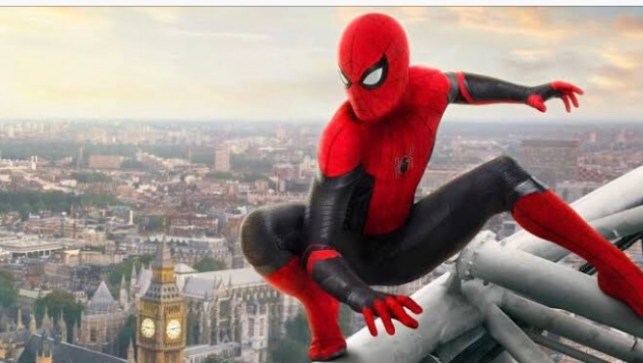
Spider-Man: Far From Home

This was actually the first Spider-man movie I’ve seen with Tom Holland. I’ve seen him interviewed a few times and he seems like a likeable guy, he’s definitely a capable actor and he’s good fun in this film. The only thing I would say is that as Peter Parker, Holland is just a little bit too cool, a little too good looking and a little bit too funny.

I’ve never read the comic books so I don’t know how he was originally written, but I liked that Tobey McGuire in the San Remy instalments from the early 2000s was properly geeky and awkward as Peter Parker so that when he dons the suit, it’s a real and noticeable transformation. It’s perhaps a conscious choice, but I felt like Tom Holland’s likability in a strange way diminishes from the fantasy of the whole thing; the geeky teenager who can’t get the girl and never believes in himself becomes a superhero and inspires the world to believe in themselves too.

In saying that, this film is actually pretty good fun; Peter Parker and his classmates head off on a school trip through Europe, which for Peter couldn’t come sooner enough since Spiderman has been under a lot of pressure following the death of Tony Stark to take his place as the Head Avenger. The vacation is stopped short however, as a series of doomsday-esque monsters based off the four elements threaten to destroy the world and for some reason only Spiderman and a charismatic new superhero Quentin Beck (Jake Gyllenhall) are the only ones of all the Avengers to save the day.

The development of the villain in this film is actually refreshingly clever and original, and for me was one of the stronger aspects of the film. It’s very easy for superhero villains to become cardboard cutouts and exist purely to further the plot, this was a welcome and fun divergence.

I definitely wasn’t too keen on Zendaya’s M.J; I don’t think she’s a particularly strong actress in the first place, but part of the reason that M.J. works is because Spider-Man needs someone who he cares about to rescue from danger. Zendaya just shrugs a lot and is apathetic to most of the monsters and carnage going on around her (I imagine so that the filmmakers don’t cop any criticism for reducing a female character to a just another damsel) and in so doing alleviates any palpable sense of danger.

I also felt like the struggle Peter faces between his dual identity is better explored in the Tobey McGuire instalments. In this film, it seems like the biggest conflict Peter faces is that he’s tired and wants to enjoy his vacation, whereas I can remember actually feeling pretty bad for Peter Parker in Spider-Man 2 as he forces himself to walk away from a mugging, knowing that he has the power to stop it. The struggle between responsibility and wanting his own life is present in this instalment, but in a way that scarcely scratches beneath the surface.

Spider-Man: Far From Home probably won’t stand the test of time like those from the early 2000s, but I still enjoyed it. It’s definitely a lighter, cheekier and more optimistic interpretation of the source material, and though it didn’t quite knock my socks off, it was enough for me to kick off my shoes and enjoy it for what it is.

By Jock Lehman

Yesterday

Screen Shot 2019-07-07 at 18.32.52.png

image-13

I was intrigued when I heard the concept of this movie; it’s a clever idea, which is why I was surprised that Danny Boyle’s “Yesterday” ended up being so glaringly  underwhelming and featuring two of the most unlikeable and irritating romantic leads I’ve ever seen.

Himesh Patel plays Jack Malik, a young British musician who can’t catch his big break and performs at kids’ birthdays and noisy pubs. His plucky friend and manager Ellie (Lily James) sticks by him and tells him to keep at it and that the world needs to hear his songs, but you can tell by the way she looks at him that it’s not just his songs that she loves. On his way home on his bicycle, the whole world’s electricity conks out and in that same moment Jack is hit by a bus. For some reason, when Jack wakes up, everyone else in the world has no idea about the Beatles or their music. The rest of the film is Jack becoming revered as the most incredible singer/ songwriter of his generation with some help from Ed Sheeran, and his conflict between choosing fame or love.

There are a few things wrong with all of this.

The core idea is a cool one, but the film very quickly degenerates into what is essentially an uninspired and generic love story. Patel and James don’t necessarily give bad performances, it’s just that their characters aren’t particularly likeable, funny, interesting, or even relatable and I didn’t care if they got together in the end or not. Danny Boyle tries hard to portray them both as ordinary people, and the message that fame and fortune won’t buy you happiness is rammed down the audience’s throat relentlessly. Ellie is supposed to be free spirited and quirky, but to me she just came across as annoyingly cutesie and self righteous. She refuses to go on a world tour with Jack because she has parent teacher interviews the next week and couldn’t bear to disappoint Year 10, and all I kept thinking was that not one of those kids would have cared for a second. Jack in particular doesn’t seem to have any meaningful character arc at all, he’s mopey and dull from the first scene and is exactly the same by the closing credits.

Even Kate McKinnon, who plays Jack’s brash American agent, is nowhere near as funny as she should have been. Everything in this film is just a little bit off, a little bit annoying and completely forgettable. It doesn’t even serve the Beatles songs that well, because Jack simply isn’t as good a singer as the Beatles were and because we’re only given (with one or two exceptions) ten second snippets of the classics. The most moving moments in the whole thing are when Jack sings Beatles songs to people for the very first time and you can see their physical response to the music. I suppose some of the song numbers Jack performs to the big crowds are handled fairly well too. Unfortunately, the film doesn’t come close to capturing what the Beatles meant to pop culture, or what they meant to the world during the 1960s. Instead it becomes a self serving and smug proclamation that happiness in life can be achieved by “telling the girl you love that you love her and to tell the truth to everyone as often as you can”.

The movies that frustrate me the most are the ones that have potential and don’t live up to it. “Yesterday” to me embodied mediocrity in every way, which is such a shame because somewhere in there is a story worthy of the Beatles and their legacy.

By Jock Lehman


Standing Up for Sunny

Screen Shot 2019-06-24 at 18.39.10

I watched “Standing Up for Sunny” as part of the Sydney Film Festival, and it was introduced by director Steve Vidler with a resounding gratitude for all the people who had donated money and made the film possible and there was an air of wonderment about him that the film had happened at all. So when the film began, I was prepared to be underwhelmed but impressed by the fact that those involved had pulled something together without the resources of a big production company.

I was very wrong. This was a unexpected delight, and within 3 minutes I had abandoned my ill founded skepticism and let what is admittedly a simple, fairy tale-esque but ultimately heartwarming and consistently funny story wash over me.

The story itself is a little far-fetched and idealistic, but it’s one of those things where you have to suspend your disbelief for a little while and roll with it. Travis (RJ Mitte), is a young man with cerebral palsy working as a groundsman for a Sydney university. Travis is bitter and resentful of the world, and one day while visiting a local bar, speaks up when a drunk bar patron heckles bright eyed Sunny (Pip Northeast) during her stand up set. In a scene inspired very much by the famous insults scene from Cyrano de Bergerac, or by extension Steve Martin in 1987’s Roxanne, Travis sasses the drunk heckler for his weak insults and comes up with his own, better ones for a person with cerebral palsy and the pub loves him for it. The manager of the bar Mikey, who is also Sunny’s boyfriend (Sam Reid), asks Travis to train Sunny in how to handle hecklers, and a romance slowly but surely blossoms. Sunny herself has her own dark past, complete with sexual abuse from her childhood neighbour and an ongoing struggle with bulimia. Of course Sunny and Travis end up together, with more or less the same beats as a typical rom com; things go well for a while until a misunderstanding breaks them up and then someone professes their love to a crowded room.

The plot or the themes aren’t particularly groundbreaking or new; it’s the performances that make it work. Travis is a flawed character, and Mitte is brutally raw and human in his portrayal. It would have been very easy to paint Travis as one dimensional and victimised, with his disability his only distinguishing character trait. Instead he is complex and imperfect, selfish yet scared and vulnerable; this is a love story about two people and the adversity that life has thrown at them, not a story about cerebral palsy and eating disorders. Northeast is believable and likeable as Sunny, and the chemistry between her and Mitte is effortless and organic.

Sunny’s past of sexual abuse and bulimia could have perhaps come across as a little disingenuous, and it does teeter on it at times, but the inclusion of some unexpectedly powerful scenes stops the trauma from becoming just a plot device, particularly one in which Sunny’s older sister confronts her about the sexual abuse. Northeast really does shine in these tenser scenes, easily shifting from seemingly wide eyed naivety to wounded and hostile vulnerability in just a moment. Not unlike Travis, they both wear masks to protect themselves from that bubbling vulnerability just below the surface.

Beyond all this, the movie is actually really funny. Samoan actor Italia Hunt plays Travis’ blind roommate Gordo and accounts for much of the comic relief, and I laughed and laughed and laughed whenever he came on the screen. There is an undeniable simplicity to the comedy and indeed to the film as a whole, and though some of the plotting does feel a little too convenient at times, it does allow for the actors to really make the most of their characters.

I loved this movie. I loved that it was sweet and earnest and idealistic and that it was everything you could want in a romantic comedy. Above all that, I felt proud that this was an Australian production and that it didn’t need the resources of a Hollywood film to deliver something so genuinely wonderful.

By Jock Lehman

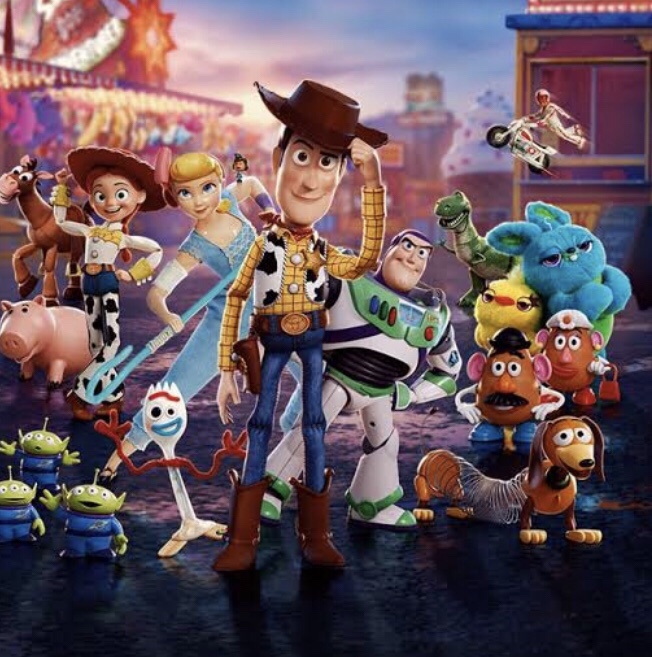
Toy Story 4

This movie was freaking hilarious, and I wasn’t expecting that at all. I expected to chuckle a few times, enjoy the fun action sequences and get teary over the requited Pixar tugs on the old heartstrings and leave feeling nostalgic and warm. Instead, we ended up with a genuinely hilarious screwball comedy with some memorable characters and strangely thought provoking philosophical dilemmas.

Basically, Woody and the gang are back after having been given to little girl Molly after Andy went off to college. Woody is feeling increasingly useless and unwanted, so when Molly makes a new toy out of a fork (Forky) and he flies out the car window on the way to the carnival, he does his utmost to do get Forky back to Molly. On the way, Woody meets up with his old flame Bo Peep, a creepy Gabby Gabby doll who is looking for a new voice box, and a smattering of fun toys from the carnival and antique store.

While there are certainly heartwarming moments, it’s the comedy that makes this one unique. The physical comedy in this is so well done yet somehow so unlikely that it completely blindsided me. There’s literally a scene where Woody and Forky are walking along, Forky keeps falling over and Woody keeps picking him up. It doesn’t sound funny at all, but the entire cinema was in stitches. It reminded me of that iconic sketch in “Not the Nine O’Clock News” where Rowan Atkinson keeps looking into the camera and walks into a pole. It’s so simple that it shouldn’t work but somehow just does.

Key and Peele make genius cameos as two plush toys waiting to be won at a carnie side show and Keanu Reeves nails his one liners as a Canadian Boom Kaboom. The script is quite clearly aimed at adults; kids will still enjoy the heist sequences but a large bulk of the audience will be the people in their mid twenties who saw the original Toy Story when they were six years old. Pixar knows that as the toys have grown and matured, so have we as an audience.

While we all wept like babies when Woody said goodbye to Andy, the goodbyes in this film aren’t as emotional or dramatic because as we grow older, change becomes an expected part of life. Woody himself is lost and confused, because he’s not Andy’s toy anymore and he’s not Bonnie’s either. (I know by the way how wanky it sounds to be talking about the sense of identity of a toy cowboy.)

The only gripe I would have is the Gabby Gabby doll as the villain; she’s far too much like Lotso from Toy Story 3 and is perhaps not as imaginative as she could have been. The bit of the seemingly cute toy that’s secretly psychotic doesn’t work as well the second time round. That’s okay though, this was so damn hilarious that I didn’t mind.

Coming off Toy Story 3, which a lot of people remember as their favourite of the franchise, this was always going to be a tricky one to execute well. If the filmmakers tried to recreate the emotion of the toys leaving Andy, and it fell flat, it would have been mocked mercilessly. Luckily this film is memorable in its own right in a way that the integrity of the previous films still stand. If this is it for Woody and the gang, that’s okay, because they’re moving on, and so are we.

So long Partner.

By Jock Lehman

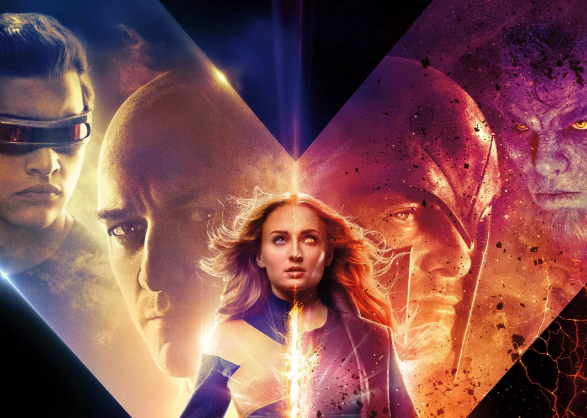
X-Men: Dark Phoenix

Screen Shot 2019-06-16 at 13.45.33

What a mess.

I actually really enjoy the X-Men movies, overall they’ve been fun and exciting and tap into the little kid in all of us that light up when they see cool mutants with wings and lasers coming out of their eyes. Dark Phoenix is not how this franchise should have ended and it was obvious that there had been so many misfires during the direction and scriptwriting, so much so that it felt like I was watching a clumsy mashup of three different films.

Dark Phoenix follows telekinetic mutant Jean Grey (Sophie Turner) and her struggle to control her power after she is hit by a cosmic force during a space mission with the X-Men. Jean can’t control her power and spends a lot of the film staring into the camera while her skin crackles with lava and for some reason an alien colony lead by a eyebrowless and robotic Jessica Chastain is trying to get the cosmic force back. Meanwhile the rest of the X-Men are divided between saving Jean and killing her to protect everybody.

There are a few things wrong with the premise before the film even gets going. First off, the film is banking on us caring about Jean and her relationships with the other X-Men, but this version of Jean Grey (Sophie Turner’s Jean Grey) barely featured in the previous X-Men instalment and unfortunately Turner doesn’t quite have the star power or chops to hold her own in a franchise finale like this with such little character development. Even if the film had featured the original Jean Grey from the first three films (Famke Janssen), I just don’t think the character is all that interesting anyway, not enough to base an entire film off and certainly not for a series finale.

The film’s creators seem to have forgotten that a lot of the fun of X-Men is seeing them all use their powers. The film’s opening is actually pretty strong, with a cool set piece in space with the different X-Men using their powers to save a fleet of astronauts (Storm using her ice power to seal the broken engines and that sort of thing) and I was hoping for more of that throughout. Unfortunately, the majority of the film is blatantly gritty and depressing, following Jean Grey on the run and whacking us over the head with a thousand close ups of her face while her eyes glow red. Luckily though they wow us with such dazzling one liners as “Bad things happen when I can’t control it… People get hurt… Get out of my head…”

The script is heinous, but the whole subplot of the shape shifting aliens coming to Earth to steal back the pulsating cosmic mass from Jean was so stupid that it was almost a distraction from how boring the bulk of the film was. End of the world subplots in superhero movies have been overdone completely and this was one of the worst and laziest examples I’ve seen. Strangely though, the film’s tone for the final act changed in almost an instant and I laughed out loud when Professor X wheels up to Magneto with the standard “Old friend” routine and he responds with “Cut the old friend shit Charles”. All of a sudden for the last twenty minutes the film actually became pretty good fun with a ripper set piece with all the mutants fighting against the aliens on a moving train and showcasing their powers. But then the film ends bizarrely with the school being renamed after Jean for some reason and Professor X and Magneto playing chess.

Like I said, this has been a fun franchise, but I did feel disappointed that it ended like this. Gritty and raw can work for comic book movies, Logan is testament to that, but sometimes it doesn’t and Dark Phoenix unfortunately is a bleak and disappointing conclusion to something which deserved a lot more.

By Jock Lehman

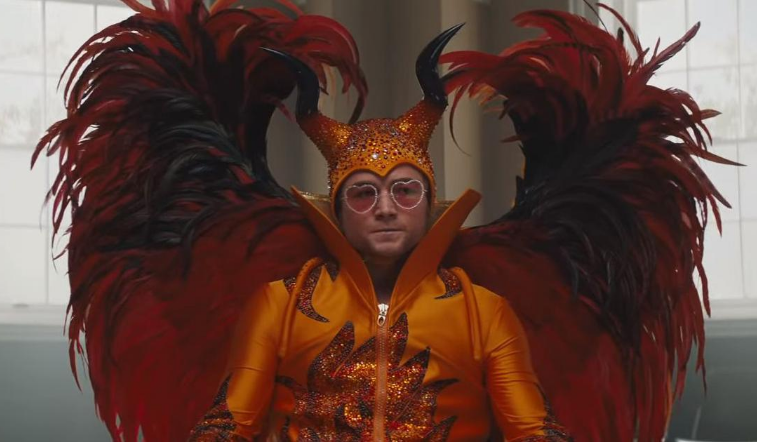
Rocketman

Screen Shot 2019-06-02 at 16.44.21

Screen Shot 2019-06-02 at 16.49.05.png

Rocketman is a lot to take in; it’s dazzling, over the top and at times pretty damn spectacular, but unfortunately these moments are few and far between and aren’t quite enough to maintain what is essentially a pretty stock standard musician biopic with a stellar leading role.

The film tells the story of Reggie Dwight’s rise from a young boy in Middlesex to the peak of fame and stardom as Elton John and is stock standard from the hostile and distant father figure (do any successful rock stars have good relationships with their Dads?) to the prick of a music manager/ lover who ends up manipulating the titular hero out of greed and ambition and of course the requisite out of control whirlwind of booze and drugs.

What saves the film from being as dull and unimaginative as something like “Bohemian Rhapsody” are the times when it breaks free from the mould and Taron Egerton as the compelling lead injects such heart into his role that I was sucked in in spite of myself. The set pieces like “Saturday Night’s Alright for Fighting” where Elton takes the song out onto the street and one memorable number where the audience floats off the ground are genuinely good fun. The structuring of the film around an AA meeting was clever and director Dexter Fletcher plays with the form of the film quite effectively.

Elton John’s music dictates the direction and tone of the film, which isn’t necessarily a bad thing, that is after all why people adore the guy so much. I love musicals, but even for me this got a bit much. I can understand the big dance numbers and the soulful pieces (the simple and beautiful rendition of “Your Song” was one of the highlights for me) but after a while, song after song became exhausting, especially when there was no real reason for that particular song to have warranted its inclusion. Of course audiences will be expecting a good hit of Elton John’s big hits, but was it really necessary to have 21 separate numbers crammed in throughout the film? Probably not, when “Chicago” only had about 12, “Hairspray” 16,  “Moulin Rouge” 15 and even “The Sound of Music” only 14. The pace of the film is all over the place and the middle act drags like mad, a big part of it being that the cast was just breaking out in song for no real reason.

Apart from the handful of music numbers which were actually done properly, the saving grace of the film is Eggerton’s performance. The fact that Eggerton does all his own singing and sounds eerily like the real deal wasn’t even the most impressive aspect of the performance for me. Eggerton embodies John’s mannerisms and qualities so distinctly that I often forgot that I was watching a performance at all. His handling of Elton John’s struggle in coming to terms with his homosexuality was particularly impressive, and was positively heartbreaking in a grim scene where he tells his mother (a terrifying Bryce Dallas Howard) from a phone box that he’s gay and her response being that she doesn’t care and that he’s choosing a life where nobody could ever love him.

For me in the end this was a bit of a disappointment, purely because you can see the potential there trying to shine through, but not quite being able to break free from its stringent biopic mould. It’s still definitely worth a watch, even just for the moments of extravagance and spectacle that made Elton John so famous, and for a performance of the man that really does deserve applause.

By Jock Lehman