
The Ghost and Mrs Muir

*Sunday Classics*

It’s such a fun thing, listening to the dialogue between the stars in pictures from the Golden Age of Hollywood. Its so quick and witty and melodic and when its barbed its absolutely venomous. This matched with the Hollywood manufactured “Transatlantic” accent of the actors of the time makes for an almost musical quality and it really is a beautiful thing. That’s what struck me the most while watching Joseph L. Mankiewicz’s “The Ghost and Mrs Muir”; it doesn’t quite work as a fantasy, it doesn’t quite work as a romance and it doesn’t quite work as a comedy, but I did find myself being completely lost and immersed in the rhythm of the conversations.

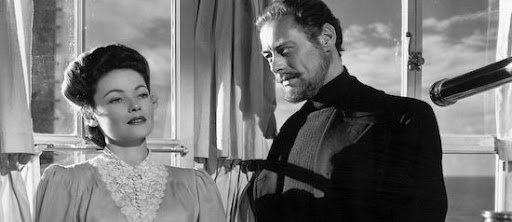
Set in 1900’s England, recently widowed Lucy Muir (Gene Tierney) decides to move away from her dreary and domineering mother-in-law and sister-in-law and finds a quaint, idyllic cottage by the seaside which is in her price range because its haunted by its previous owner, the gruff but charming Captain Daniel Gregg (Rex Harrison). Mrs Muir doesn’t scare as easily as the house’s previous tenants and the two develop a friendship, Mrs Muir even writing the Captain’s biography. While trying to get the book published, Mrs Muir meets famous children’s author Miles Fairley (George Sanders) and he visits Mrs Muir back at the cottage. When the Captain sees this, he decides to leave so that Mrs Muir may have a chance at a real and happy relationship, bewitching her so that she believes that her memories of him are only dreams. Mr Fairley eventually turns out to be a married man and philanderer, and Mrs Muir lives the rest of her days in the cottage with her friend and maid Martha (Edna Best). When Mrs Muir passes away, the Captain returns and takes Mrs Muir’s spirit (in her youthful form) by the hand while her elderly body remains behind and the two walk off together.

It’s a sweet premise for a love story, its just that the film doesn’t know which direction its supposed to go and so it dabbles in a few and never really lands any of them. The initial interactions between the Captain and Mrs Muir are probably the strongest, where he tries to intimidate her the way did the other tenants and she calls his bluff, establishing herself as headstrong and intelligent and capable of dishing back some of his snark. They’re matched up well and its evident why love may blossom, but that’s unfortunately as far as it goes. Out of the initial sparring and banter, the anticipated romance doesn’t really follow; they continue to bicker with each other with clipped tones and perfectly annunciated vowels but there’s never any real suggestion that the two are growing fond of each other let alone a spark of real romance. I think this is in large part due to the lack of development in Harrison’s character; Harrison is commanding and gruff but often one noted and isn’t allowed the same amount of range to work with as Tierney is.

One of the big issues I found with the film is that it doesn’t allow itself to have more fun with the premise! Rex Harrison’s most famous leading roles are obnoxious, sophisticated and debonair, but they’re also deliciouslysarcastic and imbued with a wicked sense of humour. When the Captain frog marches Mrs Muir’s mother-in-law and sister-in-law out of the house while they have no idea what’s going on, I was excited because I thought that the Captain and Mrs Muir were going to be able to have a bit of fun together. Unfortunately there’s barely any of it, which is such a shame because Harrison was such a gifted comedic actor and Tierney was funny in the few earlier moments where she was allowed to have a bit of fun. Apparently the 1960s sit-com of the same name that followed the film goes more down this direction, which makes sense because it seems so strange to not use the fact that your male lead is a ghost for at least a little comedic relief!

The film’s ending is admittedly beautiful, especially the scene with Mrs Muir and her now grown up daughter who admits that she too knew the ghost when she was a little girl and developed a crush on him. The moment of realisation in Mrs Muir’s face that she hadn’t just dreamed it all is one of pure happiness, almost childlike. When she and the Captain walk off together, there’s a fairy tale type of beauty to it, and a breath of relief from the audience as we see the two lovers finally walk off together when we never thought they’d be able to! Like I said, it would have been even better if an actual romance had been developed between them earlier on, but it’s still nice.

“The Ghost and Mrs Muir” is a pleasant experience, but unfortunately in many ways is somewhat forgettable. There are some enjoyable, even magical moments at times and had the film leaned a little further in a more resolute direction, I think the whole thing probably would have come together and made the most of what really is a fun premise and some undeniably charismatic leads.

By Jock Lehman
The Witches (2020)

I loved “The Witches” novel as a kid, and can remember being absolutely terrified of the Grand High Witch in the 1993 film adapation with Angelica Huston. That was an adaptation which did the source material justice, and is instantly recognisable as a Dahl story in tone and style. Robert Zemeckis (“Back to the Future”, “Forrest Gump”, “Who Framed Roger Rabbit”) takes on “The Witches” in this 2020 remake, and boy was this a misfire.

The plot of “The Witches” is, typically of Dahl, actually quite a sinister one; a little English boy (who is unnamed) goes to live with his Norweigan grandmother after his parents are killed in a car crash. To cheer him up, Grandmama tells him stories of real life witches who look and act just like regular women, but who secretly loathe little children and make it their mission to eradicate them with their magic. When Grandmama falls ill, her doctor suggests some time at a seaside hotel for some crisp sea air. While there, the little boy is playing with his pet mice when he is trapped in a room with dozens of women who turn out to be witches, including the Grand High Witch herself, who are plotting to turn every child in England into a mouse with a special potion. The little boy is himself turned into a mouse, but is able to steal some potion and turn the witches into mice as well. The little boy and his grandmother spend the rest of his now sadly shortened life travelling the world hunting witches.

I don’t think it’s necessary for a film adaptation to stick verbatim to its source material; that’s up to the jurisdiction of the director if he or she thinks certain creative decisions will benefit the cinematic experience. To me, every deviation from the novel made by Zemeckis has been to the film’s detriment. First and foremost, the film is not set in England anymore but in 1960s Alabama. This isn’t in itself a bad thing, it worked perfectly well for 1996’s “Matilda” to be set in modern day America. The thing is, the story only works with an underlying sense of dreariness and ominosity, and definitely doesn’t work with the distractingly cheery and irritating narration of Chris Rock and a wise cracking Grandmama (Octavia Spencer) blasting “We Are Family” and “Sitting on the Dock of the Bay”. The whole magic of Dahl is that any danger in the story is treated as a real and imminent, creative decisions like that cheapen and trivialise the whole idea that witches are real and that they’re dangerous!

One of the creepier elements of the book and the 1993 film were the stories that Grandmama would tell the little boy of what witches did to little children. My favourite, and probably the scariest, is where one of Grandmama’s childhood friends disappeared one day after an encounter with a witch. Her parents looked far and wide, then when they had given up hope, discovered a little girl had appeared in their newly acquired painting which hung above their mantlepiece. The little girl was always still, but would appear in different places in the painting doing different things, growing older and older until she one day disappeared completely. It’s a hauntingly beautiful and terrifying idea, and I can remember visualising myself trapped in a painting and how scary it would be. Zemeckis decided instead to have Grandmama describe how her best friend was turned into a chicken before her very eyes, set to the tune of something like Benny Hill. It wasn’t funny, it wasn’t scary, it wasn’t a cool magic spell and it didn’t make witches seem very dangerous at all. I felt like a little child staring unimpressed at a mother playing “Got your nose”, knowing full well she hadn’t.

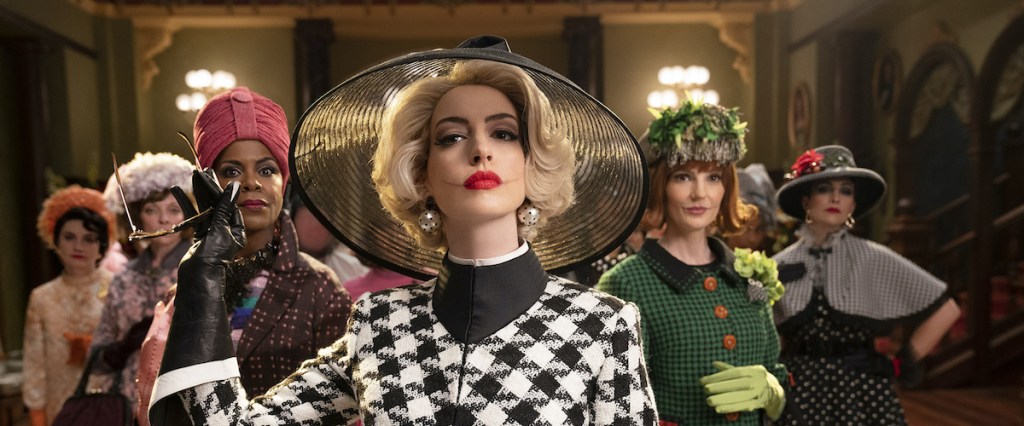
Even though she isn’t actually featured in the story until almost the end, the Grand High Witch is one of the most renowned villains in Dahl’s reportoire. Angelica Huston in the 1993 version was so perfect for it that it was always going to be a thankless task taking on the role for Anne Hathaway. That being said, Hathaway is objectively woeful. The European accent is ridiculous and inconsistent, every glance and gesture is overdone and unconvincing and reeked of a precocious high school student overacting during her final dramatic piece and being pretty darn impressed with herself. Some of the special effects were impressive I suppose (Zemeckis is known for this), but the 1993 film worked just fine without such technology and it just wasn’t enough to make up for the more disappointing elements of the production.

The stories of Roald Dahl are a very specific and unique beast. They’re magical, darkly comical, exciting and most importantly, they don’t pander to its audience or assume that they can’t handle a bit of the spooky stuff. Robert Zemeckis has somehow taken “The Witches”, sucked anything that was distinctly “Dahl-esque” out of it and produced a strange, half-baked and surprisingly ameteurish film which bears little resemblance to the book or even Zemeckis himself.

By Jock Lehman

Hilbilly Elegy

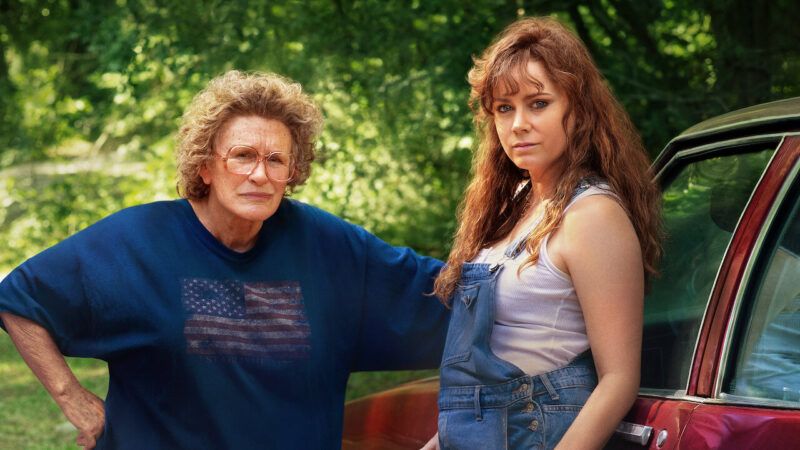
Ron Howard’s “Hilbilly Elegy”, based on the memoir of the same name by J.D. Vance is a predicable, “Oscar bait” type of film which has been grossly and often cruelly misrepresented by the critics. It’s by no means the most breathtaking or perfect product to come out of Ron Howard, but it’s still a real life story with strong, in many instances transformative performances and a core central message of the importance of personal responsibility and the power of the individual in overcoming adversity. This is by no means a poor film, and is far from the seemingly offensive and grotesque entity that’s been relegated to 26% on Rotten Tomatoes.

J.D. Vance (Gabriel Basso), a young man from a poor Appalachian family in Ohio, is in his last year of Yale law school and is in the final stages of interviews for summer internships when he receives news that his mother has relapsed and he has to return home. In a series of flashbacks, the film tells the story of J.D., his childhood with his lost and often abusive mother Bev (Amy Adams) and how his grandmother “Mamaw” (Glenn Close) helped him break out of the cycle of poverty, drug addiction and abuse that had trapped his family for generations.

First and foremost, the performances from Close and Adams are phenomenal. I often felt uncomfortable and intrusive watching them as these characters, the actresses are both completely unrecognisable and embody varying stages of bitterness and desperation. Both are raw, nuanced and sympathetic portrayals of women whose lives have been a brutal struggle and they are angry at the world for it. Vance worked closely with Howard and the actresses on the depictions of his family members and said that Close’s depiction of his grandmother in particular was uncanny, down to her posture, glare and walk. While Close’s performance I think is probably the more impressive and the closest the real life woman between the two, Adams goes through a pretty incredible and tragic transition from a vibrant but misguided young mother to a weathered and exhausted creature beaten down by life and resentful towards her son for escaping what she never could and reaching his potential when she never did. Gabriel Basso as the grown up Vance is fairly understated as J.D., but I didn’t mind that so much. He’s an ordinary young guy who was able to succeed despite some pretty dire circumstances and its really a story about the influencing figures in his life and I think Basso was well suited for this.

I can’t understand why so many of the reviewers were so personally and vehemently outraged by the film’s themes of personal responsibility and an individual working hard to overcome adversity to achieve success. “Rags to Riches” type stories translate well to film (The Pursuit of Happyness, Rocky, The Aviator, My Fair Lady) and the kind of story that resonates well with audiences (hence the 86% audience score on Rotten Tomatoes). It’s a nice moment, if a little cliche, when J.D. starts cleaning his room and studying hard after seeing Mamaw give him the biggest part of her meal when the Meals of Wheels delivery man informs her that she only qualifies for the one and she can’t afford to buy anything more. It’s heartwarming when J.D. comes home after scoring the top score in his class and Mamaw sits down in her chair to read it over.

Had it not been for Mamaw, the film is pretty explicit there’s no doubt that J.D. would have gone down the path of addiction and destitution like the rest of his family and like the other boys in the neighbourhood. Importantly, Mamaw doesn’t coddle him and allow him to make the same mistakes as her daughter, she instead instills in him the value of hard work, self worth and being accountable for his own mistakes, “You’ve always got a reason! But it’s always someone else’s fault! At some point, you’re going to have to take responsibility.” At times the script is pretty hackneyed and some of the encounters between the characters are a little too much like they were written specifically for the trailer and not as organic tit for tat exchanges. Still, this is a Hollywood production and schmaltzy dialogue is an issue I have with plenty of films and the script here is by no means any worse than the ordinary Oscar contender. Be that as it may, the dialogue is absolutely jarring at times, and when grown up J.D. convinces a rehabilitation nurse that his mother needed a bed because she was a good person and was the smartest person in her class, I found myself cringing pretty damn hard.

“Hilbily Elegy” is a story about middle America which isn’t often explored in film, and certainly not in a way that’s sympathetic to that world and the cyclical and generational poverty which affects those who live there. I think the screenplay is at times weak and in dire need of revision, but this is still a well produced, entertaining story with some stellar performances and I think an important and resounding central theme.

By Jock Lehman

Happiest Season

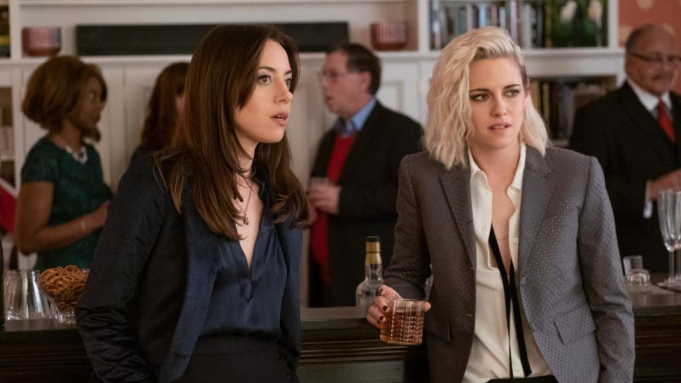
Clea DuVall’s new film “Happiest Season” follows the well trodden route of a young loved up person introducing their new partner to their parents, ranging from “Guess Who’s Coming to Dinner” back in 1967 and later resulting in “Meet the Parents”, “The Family Stone” and even “Shrek 2”. It’s a fun, reliable premise and lays the way for plenty of farcical situations, jolly old misunderstandings and at least one pet related mishap or somebody falling off a roof. It’s been done plenty of times before, but adhering to a historically successful plot structure isn’t anything without a good script, memorable characters and a good bit of heart. Going into “Happiest Season”, I was worried that it was going to be a pale imitation of the films I mentioned earlier, relying entirely on the fact that the lead couple is gay to carry the story. Luckily, “Happiest Season” is heartfelt, funny, festive and while it may not quite result in the lasting legacy of something like “Meet the Parents”, is still a genuinely entertaining time.

Young couple Abby (Kristen Stewart) and Harper (Mackenzie Davis) are living it up in New York with the seemingly perfect relationship, so much so that Harper invites Abby to spend Christmas at her family home. Just before arriving, Harper tells Abby that she hasn’t come out to her parents yet because of her father’s (Victor Garber) upcoming mayoral campaign and that she’s told them that Abby is her straight roommate who was orphaned at a young age. Abby, alongside the rest of Harper’s family spend the week attending dinners and balls in the lead up to Christmas, all the while maintaining that she and Harper are just friends.

From the beginning we know that Abby and Harper will end up together and that the family will eventually accept Harper and Abby and come to love Abby and that Christmas Day will be snowy and cosy and beautiful. That doesn’t matter, this is the kind of movie where we don’t want or expect too many deviances from the traditional formula. I still maintain that Stewart is overrated and wooden and here is no exception to that; she’s awkward and charmless and completely boring on screen, but strangely it works to a degree for a film like this. The film is full of vivacious and distinctive characters who are responsible for the majority of the jokes, so by casting someone passive and uninteresting like Stewart, the rest of the cast is able to really shine and all she has to do is look uncomfortable at their antics. It’s painfully obvious when Stewart is alone on screen and it probably still would have been better if they had gone someone with a personality but luckily it didn’t ruin the whole thing.

There are a couple of missed opportunities throughout and some of the later jokes fall a little flat but overall this is a genuinely funny movie. Mary Holland as Harper’s oddball but sweet-natured sister Jane is particularly hilarious, and absolutely deserves the reaction she’s been receiving (I snorted my drink through my nose when Abby arrived and Jane pulled her into a hug to tell her how brave she was for being an orphan). Mary Steenburgen is likewise fun as Harper’s mother (“Don’t worry sweetheart, I once took too many Ambien and bought a racehorse online”) while Alison Brie is cold and sarcastic as Harper’s older sister Sloane and drips with patronising venom as she explains that her business creates personalised gift experiences, not gift baskets. I think Dan Levy was wasted a bit as Abby’s gay best friend John, though he did have a couple of nicely placed zingers and delivers a genuinely moving little speech towards the end of the film about how each person’s “coming out” journey is different and unique to them. Aubrey Plaza makes a nice appearance as Harper’s ex girlfriend Riley who was shunned by the town when Harper denied having a relationship with her and outed her as gay and obsessive instead.

This is where the central premise is pushed a little bit; maybe if the film had been set in the early 2000s or even as early as ten years ago I could see the whole plot point of Harper concealing her sexuality for the sake of her father’s political campaign making sense. In 2020, it just doesn’t, especially since Harper’s family seems to be based in Konneticut (a distinctly liberal region of the States), in a town which has its own drag bar which Abby and Riley visit and is absolutely pumping. It doesn’t seem to be set in a particularly religious or oppressive town and at no point in the film are the parents hinted at being even overtly old fashioned in this sense. In fact it would be far more likely that a political candidate in the climate depicted in the film would jump at the opportunity to support their gay child and be seen as an ally of the LGBT community. So in this sense the story is a little disingenuous, but its a small quibble and completely forgivable considering how well the film portrays the themes surrounding homosexuality and acceptance.

I enjoyed “Happiest Season” a lot, and is something I would happily see added to the list of Christmas themed holiday titles. I like these kind of screwball sort of romantic comedies and its always better when the story has a genuine heart to it, which thanks to a sweet script and a believable and infectious supporting cast, “Happiest Season” has in spades.

By Jock Lehman

Misbehaviour

Phillipa Lowthorpe’s new film “Misbehaviour” works on some levels, doesn’t work on others, but in terms of an underdog feminist story of empowerment and rebellion against a repressive society (as it was no doubt intended) it falls resoundingly flat.

The feminist movement of the 1960s and 1970s was an interesting time in history, and there’s plenty of fascinating stories out there to tell and countless women who would have made strong subjects for them. I just couldn’t help but feel as though this particular story, namely the newly formed “Women’s Liberation Front” sneaking into the 1970 Miss World contest and protesting the event, wasn’t necessarily the best choice to showcase the movement. I’m not sure if this was intentional or not, but by the end of the film, its the contestants who come across as selfless, generous, having gone through adversity in their lives and deserving of recognition, rather than the protesters themselves.

“Misbehaviour” tells the true story of Sally Alexander (Keira Knightley), a young mother studying at the University College, London, who alongside the newly formed Women’s Liberation Front, organise to disrupt the final of the Miss World 1970 competition by throwing flour bombs, waving noisy instruments and yelling from the audience. Parallel to this is the story of the Miss World contestants themselves, specifically the entrant for Miss Grenada, Jennifer Hosten (Gugu Mbatha-Raw), who became famously the first black entrant for her country and to ever win Miss World. The two stories run more or less side by side until they converge at the final and Alexander and Hosten meet.

From what I could tell, the film is pretty accurate in terms of representing 1970s England; the costumes and set design are particularly good and the soundtrack matches the world nicely. The film does do well in highlighting some of the more unseemly aspects of the Miss World contest back then, the more disturbing of which including the contestants being read out with their measurements, the contestants having to turn around so that the judges and audience could examine their bodies from behind as well as in front, and a whole barrage of lewd jokes from the host for that year, Bob Hope (Greg Kinnear). It stops short of demonising the entire event though, which I think was sensible. The film shows how much it means to the contestants to represent their country and act as a role model for younger women, that it represents an incredible opportunity for them to travel and see the world, and that, most importantly, they don’t see themselves as oppressed. There’s a particularly nice little moment where Jennifer Hosten practices her walk on stage to an empty room, and you can see the exhilaration on her face.

By contrast, when Alexander joins the Women’s Liberation Front, its participants, particularly Jo Robinson (Jessie Buckley) come across largely as petulant children who spend their time defacing street signs and dodging police for petty crimes with an enormous sense of self importance. It was interesting to see how the two different groups of women were portrayed, because it became much more difficult to root for the group of British women living in 20th century Britain once the contestants from Grenada and South Africa sat down and discussed what it was like to be living under Apartheid or how much representing her country meant to someone like Jennifer Hosten, having come from nothing. There’s an interesting moment just after the protest takes place, where Robinson is sitting in the back of a police car and one of the other protesters says to her “I only heard about this on the news, I’ve left my baby with the neighbour”. For the first time in the film, Robinson is actually faced with real life consequences for what she’s doing; the self righteousness and swagger are gone and she’s genuinely scared.

Knightley as Alexander is nothing too remarkable, Knightley more or less plays herself and is largely wooden and stiff in her performance. Part of that is due to Knightley herself but I imagine a great deal is due to who she was playing too; just because an event happened doesn’t necessarily mean that those involved or even the event itself will translate well into film. I thought this when Ryan Gosling played Neil Armstrong in “First Man” – obviously the moon landing was an extraordinary achievement, didn’t stop Neil Armstrong from still being a pretty boring guy. I was glad however when Alexander and Hosten had a moment together towards the end of the film; both were strong women who were looking to further themselves in the world, even if their methods of doing so were so vastly different and it was interesting to see them both put forward their case to the other.

The film closes with snapshots of the women involved in the protest and those of Miss Grenada and Miss South Africa and what they had achieved since then. Even now I can’t remember what Sally Alexander or Jo Robinson went on to do with their lives, but know that Jennifer Hosten, amongst other things, went on to become High Commissioner to Canada from Grenada. It’s Hosten’s story which saves this film; the first ever black woman to win Miss World is an extraordinary achievement and an actual fascinating story, with Gugu Mbatha-Raw playing the part wonderfully. Unfortunately, the plotline about the protesters picketting the Miss World contest just wasn’t a captivating one and in the great scheme of the women’s liberation movement, probably shouldn’t have even been in the top five for consideration.

By Jock Lehman

The Seven Year Itch

*Sunday Classics*

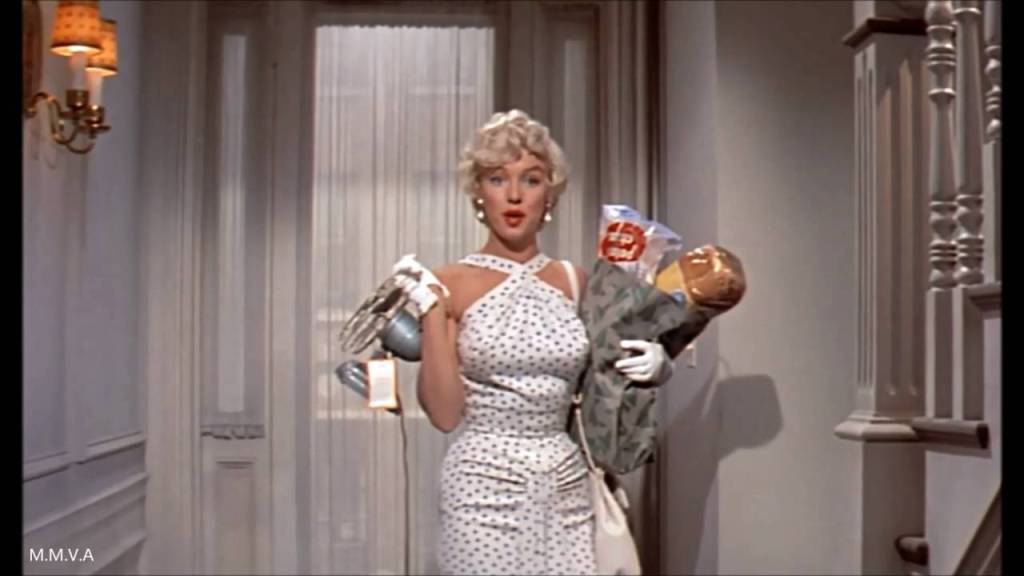
Even now, almost seventy years since the release of Billy Wilder’s “The Seven Year Itch”, there is still something so magnetic about Marilyn Monroe. As soon as she enters frame, its as if the camera pauses for just a moment longer than it would ordinarily would just for the audience to catch its breath. Everything about the characters she played were so uniquely her; the breathiness and timbre of her voice, her costumes, her sensuality (in a time where films were highly censored and regulated), her playfulness and her magnetic charm. She wasn’t supposed to embody the every-woman; she was a movie star in every sense of the word.

The film’s premise is based upon the theory that men tend to stray and engage in affairs after seven years of marriage, and who better to embody such temptation than the foremost sex symbol of the twentieth century! Based off the 1952 play of the same name by George Axelrod, “The Seven Year Itch” opens with a narrator telling us that for centuries, women and children have gone away for the summer while their husbands stay to earn money for the family, but get distracted fooling around. It happened with the Native Americans and it happens now in 1950’s Manhattan, where book editor Richard Sherman (Tom Ewell) is saying goodbye to his wife Helen (Evelyn Keyes) and brat of a son Ricky (Butch Bernard) as they head off to Connecticut for the summer while he stays in town to work. He heads home and is torn between acting chaste and behaving himself, abstaining from booze, cigarettes and women, and letting loose since he’s such a stud and women are of course hurling themselves at him. This is made all the more difficult when a beautiful young woman (Marilyn Monroe), moves into the apartment upstairs. He invites her down for a drink, and over the course of the next few days Richard grapples with himself as the two grow closer, but she all the while remaining immune to his (supposed) charms.

There are some seriously funny moments throughout this film, most of them stemming from Tom Ewell’s performance as Richard. Ewell reprised his role from the Broadway play, and absolutely embodies the man’s attempted bravado and nerdishness, somehow managing to play Richard’s fantasies about his allure and how women are indelibly attracted to him in a way which is endearing rather than bombastic and arrogant. These scenes are especially funny, as he imagines convincing his wife of how women are driven crazy by him and we see these women literally dragged off him as he sits back and sighs as if it were a curse. Richard talks to himself an awful lot throughout the film, reflective of the fact that this was originally a stage play, and it somehow works fairly well! Ewell is engaging enough that we don’t think it odd that he’s thinking out loud the way he does, and watching him flip flop between temptation and logic is fun. My favourite part of the whole film is probably when he envisions Monroe coming downstairs in a breathtaking evening gown and sitting next to him as he plays Rachmaninoff, utterly entranced. When this occurs in real life, he sits down with the same attempt at being debonair and plays Chopsticks instead.

Monroe herself isn’t necessarily side split-tingly funny, its more that she’s fun and her performance is so endearing that we can’t help but enjoy ourselves. She’s charming and flirty and sweet, and embraces the camera so beautifully well. Its undeniable that she was a skilled comedic actress and definitely has her moments, I think its more that the distinct comic voice was written for Ewell’s character, and that’s alright. Despite her eventual reputation for playing the archetypal “dumb blonde”, Monroe was apparently an incredibly diligent and thorough actor, and it was interesting watching some of the takes in which she seems to light and spontaneous knowing that she probably insisted upon up to twenty separate takes to get it just right. The chemistry between the two leads is interesting, because although Monroe is engaging and beautiful, its fairly obvious that she’s not interested in him in a romantic light. When she does kiss him, its more to remind him that he’s worthy and that his wife is lucky to have a husband like him.

I did find that the second act dragged at times; once the initial comedy of Richard imagining himself as a Cassanova and Monroe’s initial entrance had passed, it was like the story dropped down a gear and struggled with direction. Director Billy Wilder since came out and said that due to censorship of films at the time, he struggled with the story because he wasn’t able to portray the two as having had sex like in the play. While this may have hindered the story to some degree, what the censorship inevitably did was force the writers to rely on innuendo and implication, which resulted in some of the funnier lines of the film. Not unlike the writers of Seinfeld ending up with such legendary phrases as “Are you master of your domain?” to accommodate CBS, the writers for “The Seven Year Itch” too had to come up with clever ways of getting around the Hayes Production code and implying that there were sexy things going on without explicitly saying it.

This was a fun romp of a film, even if it did lose its course a little towards the end. Ewell is often hilarious, and watching Monroe, its obvious why audiences loved her and why she’s still unrivalled today.

By Jock Lehman

Cinderfella

*Sunday Classics*

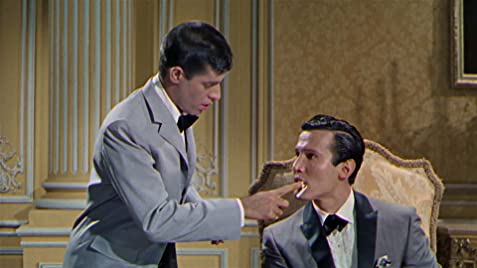
This was my first experience with Jerry Lewis, and for the whole run time of 1960’s “Cinderfella”, I was torn between whether I found him hilarious or annoying. I eventually concluded that he managed to be both, which I guess is to be expected from actors who rely so heavily on physical comedy (Rowan Atkinson’s Mr Bean and Jim Carrey come to mind).

The concept of the film is pretty simple, basically the classic story of Cinderella with the genders reversed. Fella (Jerry Lewis) has been reduced to a servant for his wicked step-mother (Judith Anderson) and his two step-brothers Maximilian (Henry Silva) and Rupert (Robert Hutton) since the death of his father. When news comes of Princess Charming, pronounced Charmaine, (Anna Maria Alberghetti) of Morovia coming to town, there is a grand ball and every eligible bachelor in town is invited. Except of course for poor old Fella, but with some help from his Fairy Godfather (Ed Wynn), Fella attends the ball dapper in a red smoking jacket and the smoothest moves around. The Princess of course falls for him and they end up living happily ever after.

The story doesn’t really matter here, its basically just a vehicle for Lewis’ signature comedy stylings and his talent as a singer and dancer. I laughed quite often throughout this film; a lot of Lewis’ gags are beautifully timed and perfectly executed, while others unfortunately start out as funny but then go on for far too long and ruins the joke completely. Of the goodies, my favourites included Fella putting a bowl outside for the lemon tree outside, shaking the tree a little and picking it up again with the bowl full of lemons perfectly cut in half, Fella sleeping on a tiny mattress which sits upon a king sized bedframe and then there’s Fella simply scatting along and playing his imaginary flute to the radio which is funny enough in itself! Others don’t fare so well. There’s a gag about half way through the film during a dinner scene in which Fella is sitting on one end of an extremely long dinner table with a pitiful plate of soup, while his step mother and step brothers sit on the other end with prime rib, wine and all manner of luxurious accoutrements. Fella is asked by his step-mother to pour her some wine, so he changes his suit jacket into a butler’s jacket, walks all the way up to the other end of the table and pours her some wine which had been sitting right in front of her. This is pretty funny. But then the same joke happens about four times in a row and by the end, none of it was remotely funny anymore and the memory of the first time it happened has been soured in the eyes of the audience. Maybe since this was the first time Lewis had directed himself, but I can’t help but feel that if he had held back just an inch on some of these jokes it would have made a world of difference.

Having read up a little bit about Lewis’ other work, I think that something like “The Nutty Professor”, a parody of “Dr Jekyll and Mr Hyde” and considered his most famous work (which admittedly I’m yet to see) would on paper work better for Lewis because there at least is a distinct duality between the two characters he’s playing. It doesn’t quite work here because when the Fairy Godfather works his magic, all he’s really supposed to be doing is giving Fella a makeover and a cool car for the night, basically an opportunity for the world to see him the way he really is, had it not been for his Stepmother’s cruelty. The problem is that neither version of Fella is very well defined; the servant Fella is clumsy, goofy and trips over his own words constantly yet is somehow capable of managing an entire estate by himself and cooking world class meals. Then all of a sudden Fella at the ball is suave and a kick ass dancer, but when he talks to the Princess he’s a blithering mess again. It would have been good as well if the step-brothers were actually ugly and obnoxious like in the story, I couldn’t figure out why they were both characterised as charming and sophisticated bachelors.

The scene where Fella makes his entrance to the ball is sensational, essentially just Lewis showcasing what he can do for a good seven minutes (after which he famously collapsed of a heart attack, the first of three he would experience throughout his life). For some reason he enters to Count Basie and his band, (one of the most famous jazz musicians of the time), and the whole scene is overstuffed but good fun. Likewise, even though it wasn’t exactly necessary, the set design is genuinely breathtaking and for a lot of the film its hard not to marvel at the furniture and gardens of the family mansion (I later found out that it was the same set they used for the “Beverley Hillbillies”. The costumes too are inexplicably glamorous, something which again probably wasn’t entirely necessary for a slapstick comedy but a nice touch nonetheless.

Like I said, the story isn’t the reason to watch “Cinderfella”, but its better to not question it all too much and just enjoy the spectacle and Lewis doing his thing. Sometimes it is too much, and maybe this wasn’t the best forum for Lewis to showcase his true comedic chops, but there’s enough here for a good bit of fun.

By Jock Lehman

Snow White and the Seven Dwarfs (1937)

*Sunday Classics*

Watching Walt Disney’s first full length feature film as somebody born in 1993 who is accustomed to seamlessly lifelike, evocative animations and the technologies available to make them so, it would be very easy to forget how much of a true achievement “Snow White and the Seven Dwarfs” was at the time.

This isn’t one of my favourite Disney films by any means, but in saying that, I enjoyed this much more than I expected to. I think it’s a shame that Disney’s early work often gets remembered largely for its princesses. Snow White or the Prince aren’t overtly interesting characters; she is kind and sweet and beautiful, he is handsome and heroic and knows how to ride a horse. And that’s okay; to me, “Snow White and the Seven Dwarfs” is about the world that Disney and his team created, not just the titular character. Every inch and moment of this film is breathtakingly detailed, which is all the more extraordinary when you realise how difficult a single frame of animation was to make back then. For instance, animator Shamus Culkh has since described how drawing the dwarf’s “Heigh Ho” march home was one of the toughest assignments he’s ever had had, with each dwarf having to walk with their own characteristics but still in time and then with Dopey chasing up from behind, out of time but still needing to be integrated into the action… “I worked six months on that god damned thing, and it doesn’t last a minute onscreen”. Even the score is layered and intricate to every last moment, from the flurry of violins as the dwarfs chase the Queen to the sombre organ as Snow White lays in her glass coffin and the quirky trumpet whenever somebody creeps somewhere. It’s as if Disney is trying to fill his film with as much sensory detail as possible in order to make this world which had previously been unattainable, as real as any other.

Looking at the animation now, it’s still pretty impressive; the movement is fluid, the detail in the backgrounds are meticulous and the expressions on the characters’ faces range from benign and jovial to outright terrifying. That’s something I had definitely forgotten about, just how scary the film can be at times. That’s what Disney always did well, and something which I think Roald Dahl recognised too; they didn’t pander to children, instead acknowledging that kids can handle a bit of the macabre and respond positively to storytelling that doesn’t insult their intelligence. The wicked Queen is formidable and cruel yet strikingly beautiful, and Snow White running through the woods with the trees coming alive and clawing at her dress is flat out the stuff of nightmares. It works though, because its balanced out with other elements of the story that are silly and ridiculous; I had expected the dwarfs and the woodland creatures to be an overload of sappiness but they’re actually pretty funny. Although I must admit I did find at times Snow White herself and the singing with the critters pretty nauseating, but this is a fairy tale aimed at children and probably needs a bit of that sort of thing.

I marvelled quite a few times at the ingeniousness of some of the gags. My personal favourite is the tortoise who is trying his hardest to keep up with all the other animals but keeps getting knocked flat on his ass, and the squirrels who sweep the dust into a mouse hole and get chastised by its irate occupant. Even little things like the chipmunk rolling up a spiderweb into a ball of yarn seemed clever to me, and is testament to Disney’s efforts to include as many gags in these sequences as possible and would allegedly offer an extra $5 per gag to his writers (the dwarfs’ noses popping up over Snow White’s bed frame came as a result of this). Disney did well to balance out some of the treacle which I mentioned earlier, sometimes with the scarier elements of the film but also with the characterisation of the dwarfs – I don’t think it’s any coincidence that Grumpy and Dopey are given as much screen time as they are. The dwarfs washing themselves before dinner is genuinely funny, and I laughed at most of what Dopey did. But then again, they love Snow White and are genuinely heartbroken when she eats the apple and falls into her eternal slumber. How strange it must have been for audiences in 1937 to be watching a cartoon and to experience genuine sadness and empathy for what happened to its characters.

One aspect of the story I found a little strange was how quickly and easily the evil Queen died. She’s all powerful and menacing but her downfall is basically because the seven dwarfs chase her and she falls off a cliff. It seemed quite anti-climactic and not properly thought out; how on earth is the audience supposed to believe that a sorcerer who had in the previous scene summoned the power of lighting, the black of night and the cackle of a hag to turn herself into an old woman, then be killed because she couldn’t outrun a bunch of tiny little men who have spent the majority of the film falling over each other. Still, this is a small quibble and the chase is admittedly quite exciting.

Every animated film since 1937 owes a great deal of gratitude to Walt Disney and his team that produced “Snow White and the Seven Dwarfs”. For it to hold up even today is something miraculous and indicative of the man’s genius; this was the first time anybody had really considered animation as a vehicle for actual worlds and characters who could feel and laugh and cry just like real people. Never before had a filmmaker asked their audience to trust them and suspend its disbelief more than in this film, and never before had the boundaries of filmmaking been pushed to such a degree that its audiences bore witness to something magical.

By Jock Lehman

The Best Years of Our Lives (1946)

*Sunday Classic*

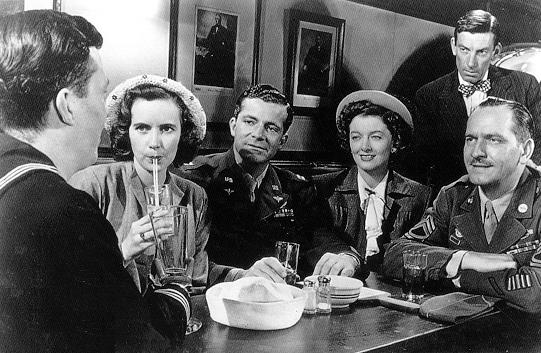
This is an extraordinary story about ordinary people. William Wyler’s 1946 film “The Best Years of Our Lives” is as touching as they come, a sobering account of three WWII veterans returning to everyday life after the war and the difficulties and heartache that each of them face. What’s incredible is that it came about in an era of post war euphoria in America and a barrage of highly patriotic war films; the people portrayed aren’t particularly remarkable or heroic, they’re good people who have gone through something horrific and are trying to return to life that is now all but unobtainable. Yet this is by no means a dreary story; this is a film about family, friendship, love and overcoming adversity. It’s sweet, heartbreaking, surprisingly funny and beautifully human.

The film follows three returning servicemen who meet on the plane ride home to their mid-west home town and their differing experiences as they strive to return to civilian life. There’s Fred (Dana Andrews), who served as a captain and bombadier and returns to his wife that he married twenty days before he was shipped out to war and due to the tight job market is forced to return to his job at the local soda bar. Then there’s Homer (Harold Russell, an actual war veteran and double amputee) a petty officer who lost both his hands when his ship went down and can’t handle his childhood sweetheart or his family treating him differently or pitying him now he is the way he is. Finally there’s Al, an infantry platoon sergeant returning to his seemingly idyllic world with his apartment straight out of Home Living, doting wife and two now grown up children and receives an instant promotion at the bank, yet he too struggles with returning to ordinary life and quickly develops an unhealthy relationship with alcohol.

We follow the three of them and their families, sometimes as individuals and sometimes when their lives intertwine, particularly so when Fred and Al’s daughter Peggy (Teresa Wright) start courting. Sometimes life is brutal and humiliating, and each of the men experience this differently. You can feel Fred’s frustration when he is told by a smartass at the local drug store that his expertise as a bombadier will be no good here and he has no reason to give him a job. Homer is ashamed and humiliated when his family tiptoe around him and offer him help at every chance they can get so as not to offend him. There’s some incredibly well written scenes surrounding Homer’s disability, notably when he talks about how sad it made him that his father had to hide his pipe when he realised that he was using his hands to light it and Homer couldn’t use his. Then towards the end of the film, Homer takes his girlfriend up to his bedroom to show her what happens when he takes his hooks off every night and how helpless he truly is, and that this would be her life too. It was so simple and understated, but boy oh boy, there wasn’t a dry eye in the room watching that.

The romance between Peggy and Fred was sweet, I’m becoming more and more impressed with how gutsy and strong willed the women in these old films are and Teresa Wright as Peggy and Al’s wife Milly (Myrna Loy) are no exception. No wilting flowers here. I probably didn’t find Al’s story as powerful, but that could well have to do with the fact that he’s an older gentlemen and it was easier for me to identify with Homer and Fred. His disconnection from his son when he first arrives was interesting to watch, especially as his boy, who used to admire him, tell him all he had been learning in school about how terrible war is and whether he had seen any of the effects of radiation on the survivors of Hiroshima. In a way this seems to be reflective of how society itself treated its soldiers when they first returned; the days of adoration and pride were gone, as the veterans readjusted to ordinary life they instead became a reminder of the war and were treated as such by the public.

This really is a beautiful film. Its a war story doesn’t glorify its heroes, but allows them to be seen as real people, flawed and scared and frustrated. This is one of those rare films I think everybody should see at some point in their lives, not only because it’s a sensational piece of cinema, but because we owe it to our veterans to remember and acknowledge what they’ve done.

By Jock Lehman

On the Rocks

Sofia Coppola’s “On the Rocks” is very aptly named; what starts off as an interesting, layered and promising experience gradually gets watered down into a dull, unimaginative and disappointing swill. And that’s unfortunately the taste that the film leaves us with, and its not a nice one.

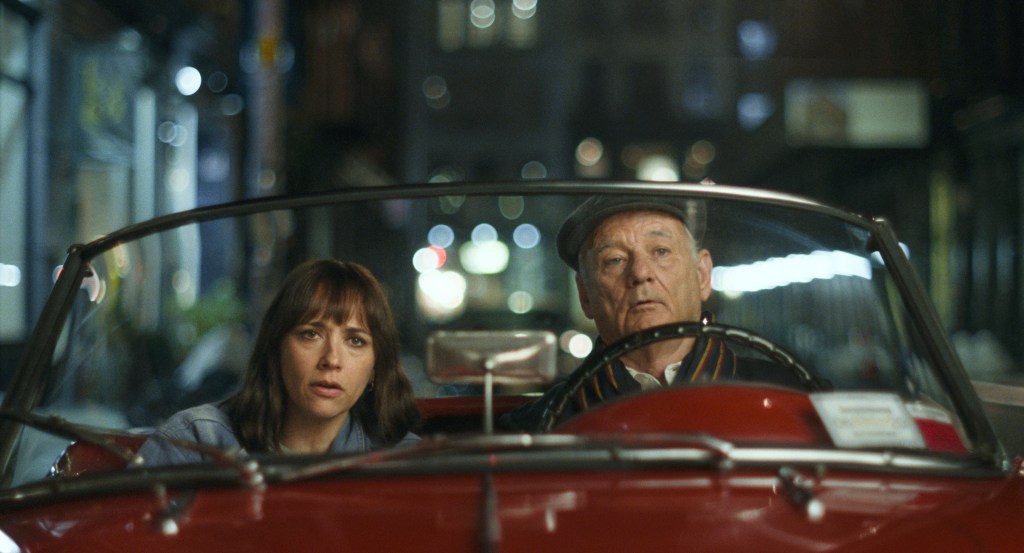
“On the Rocks” is an unbelievably decadent insight into New York’s elite, starring Rashida Jones as Laura Jones, a published author living in Manhattan with her husband Dean (Marlon Wayans) and her two young daughters. Laura is struggling to start her newest book amid the feelings of loneliness and isolation she experiences as a young mother while her husband is rarely to be seen getting his new business venture off the ground. Dean is a seemingly wonderful husband and father, but after a series of red flags, Laura begins to suspect that he may be cheating on her. When she airs her concerns to her father Felix (Bill Murray), a charming and philandering art dealer with a taste for expensive cars and caviar, he suggests that they start tailing Dean and find out for sure. The two proceed to stalk Dean and his business associates, bonding and hitting up some of New York’s most exclusive haunts and drinking a score of martinis in the process.

The film’s most obvious platform is to portray the relationship between a somewhat estranged father and daughter, and it sort of, kind of, thinks about doing it. Jones and Murray have some decent chemistry and they have a couple of nice moments together but unfortunately their interactions are often quite shallow. She gets annoyed at him flirting with waitresses and he spouts a piece of trivia about the Romans or why a drink is named the way it is. Initially this was fine, because I assumed the film would gradually transition into some kind of deeper territory but it just doesn’t. There’s no arc or depth in their relationship and I was waiting for that scene where the two let down all their guards and are brutally honest with each other. You can tell there are times where Coppola is hinting towards this but it really doesn’t pay off. There’s a confrontation later in the film where Laura yells at her father and he says nothing at all, which lasts about twenty seconds and really could have been pulled out of any film about a father who’s cheated on his wife. Oh and then Felix’ exit from the film comes out of nowhere and their relationship is somehow repaired because Laura can finally whistle after not being able to for the entire run time.

I felt like Jones and Murray did the best with what they were working with, but were ultimately playing very early drafts of their characters, which lacked both depth and humanity. Murray admittedly has his moments, but the laughs were few and far between and I think a real waste of one of Hollywood’s funniest leading men. In the same way, I think they did Jones a disservice in her role here. She’s a talented actress and was barely allowed to do anything except look tired and exasperated – even in the scenes which were clearly aimed at the two of them engaging in a sort of buddy cop schtick were somehow flat and lifeless. The only gag that even came close to working was when Laura goes to drop off her kids at school and one of the other mothers (Jenny Slate) insists on talking about her dating life with no self awareness or pauses for breath.

It’s extraordinary how a film which is so dense in physical detail and so beautiful to look at (every scene is bursting with symbolic references, meaningful touches and enough designer furniture to choke a horse) fails to even try and do the same thing with the story. The set production is exquisite, (that first book must have been a bestseller considering their apartment is a two story interior design wet dream in the middle of Manhatten) and it’s nice following them around New York’s flashiest watering holes, but its all flash and no substance. The issue surrounding the question of Dean’s infidelity is resolved in such a mind numbingly stupid way that I kept waiting for a surprise twist because that’s the only way that it could have made sense. Laura never properly expresses herself to Dean, he’s never called out on his role in the issues in their marriage and everthing that caused her to suspect him in the first place is just ignored.

That’s the theme throughout the entirety of “On the Rocks” though; themes are touched upon but never properly explored, characters are introduced but never properly developed and for a supposed comedy, chuckles are occasionally teased but never really make it into fully fledged laughs. There is the shadow of a good film here, and I think in the right hands it could have been. Coppola is a talented director, “Lost In Translation” is testament to that, but unfortunately “On the Rocks” doesn’t even come compare.

By Jock Lehman